
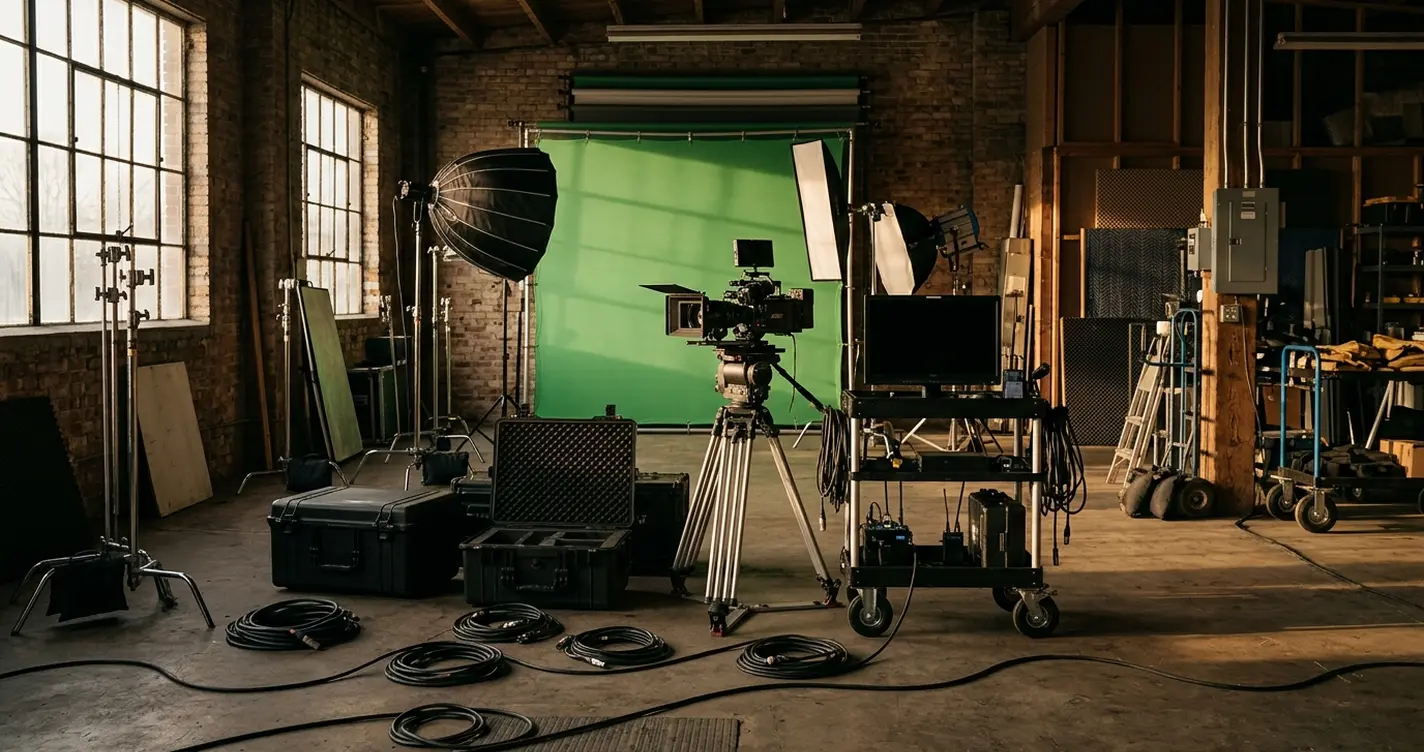
The Edit Starts Before the First Take
Directors shape the edit long before any footage reaches the timeline. I see this every time a project lands in post. Small choices on set either open doors or close them for good.
Production often treats the shoot as the moment to lock in performances and move fast. That efficiency can create real problems later. A scene might arrive with strong acting but no clean entrance, no neutral reaction, and no usable sound bridge. The first assembly then forces the editor to patch story clarity with whatever scraps remain.
Prep, blocking, coverage, sound, and communication each decide whether options survive or disappear. I review assemblies where these gaps surface immediately, not on set.
Coverage Is Not Quantity. It Is Editorial Intent.
More angles do not automatically protect a scene. Editors need material that serves the story, not just fills a drive.
Consider a two-actor table scene. The director captured a wide, two over-the-shoulders, and two singles. Yet the listener’s reaction after the line that shifts power never appeared. Matched eyelines, clean look-aways, exits held long enough to cut on, and inserts tied to decisions matter more than raw volume. Coverage that creates choice differs sharply from coverage that creates clutter.
What changes in the scene? Who realizes it first? Do we have the listener at that moment? Can the editor leave cleanly? These questions separate useful footage from excess.
The Boring Details Are Where Editorial Freedom Comes From
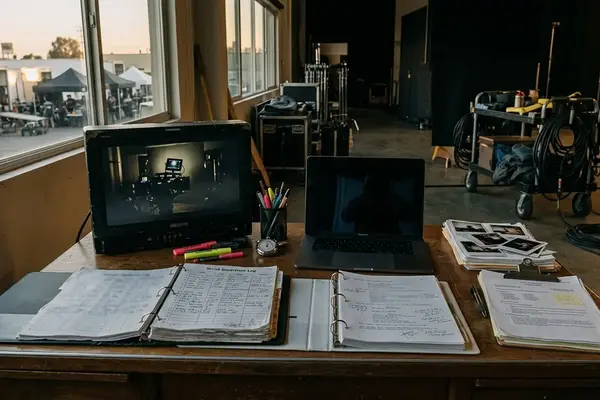
Technical habits protect the cut more than dramatic coverage sometimes does. Slates, room tone, wild lines, continuity notes, clean dialogue, and matching action let an editor hide transitions without touching performance.
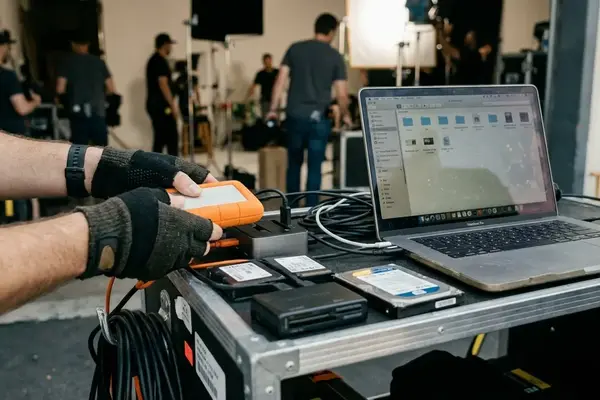
Room tone captured after a setup gives dialogue editors a usable bed. Wild lines recorded with clear scene and cue notes save hours during sound work. Continuity notes that track which hand lifts a cup or whether a jacket stays open prevent later mismatches. Clear slates connect picture, sound, scene, setup, and take during ingest.
Missing any of these narrows what the edit can achieve. A strong performance loses impact when the tools to shape it are absent.
Great Performances Still Need Cut Points
Some directors worry that planning cuts will make acting feel mechanical. That concern makes sense on set. Yet editorial awareness actually supports performance by leaving breathable space.
An actor holds a pause after an accusation. That pause can bridge into the next character’s reaction or set the emotional temperature for the following scene. Handles matter. A take that starts on the first word and ends right after the last leaves little room to shape rhythm. Recoveries help too: a breath after a mistake, a silent recalibration, or a look away before returning can all become natural cut points.
What Directors Should Decide Before Day One
A short conversation before cameras roll clarifies what the edit needs to protect. Tone, pacing references, scene priorities, must-have beats, improvisation boundaries, and the link between camera movement and edit rhythm all benefit from early alignment.
Director, editor, DP, script supervisor, and sound can cover these points in roughly twenty or thirty minutes during final prep. The questions focus on story outcomes: what the audience must understand by scene end, which line shifts the relationship, where time can compress, and which silence cannot be lost. Acceptable improvisation limits get stated upfront so continuity stays intact.
What This Advice Does Not Cover
This guidance applies to narrative, documentary, educational, and professional post-production workflows where scenes are assembled and revised after principal photography. Experimental films, single-take projects, live multicam, and heavily improvised productions often follow different logic by design.
The points here address creative and technical choices, not legal, union, budget, or safety matters. They assume a separate post process exists to refine structure and rhythm.
Direct for the Cut, Not Just the Set
Directors who consider editorial consequences give their vision more room to survive the cut. A clean reaction, a held exit, a clear wild line, or an intentional insert can rescue a scene weeks later when pressure builds in the edit room.
Protecting post does not shrink directorial intent. It multiplies the forms that intent can take once the footage faces the timeline. The first day of shooting is also the first day of editing.







Your Thoughts
No comments.
Share Your Opinion