
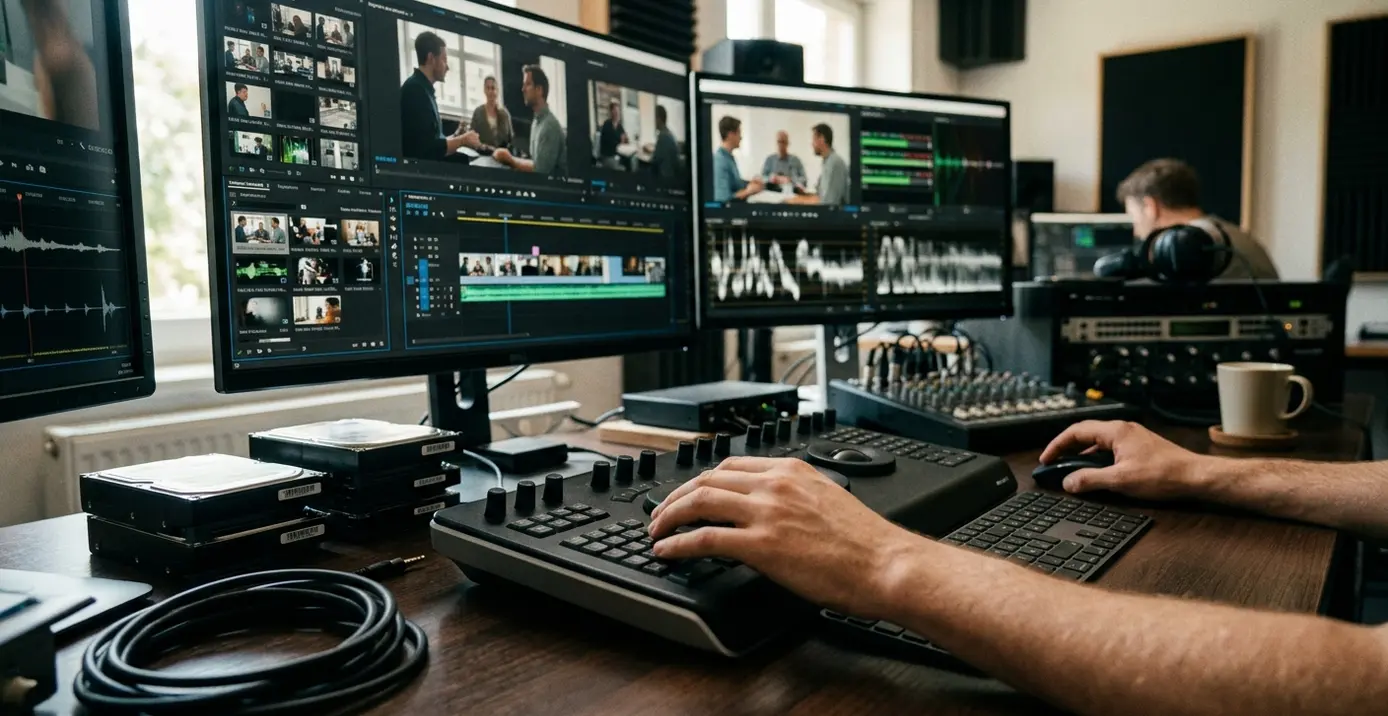
Why the Edit Begins Before Post-Production
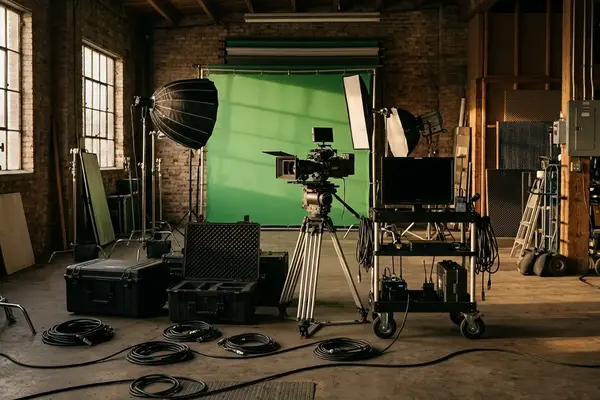
I open the first bins and immediately see the trail. Every mismatched slate or missing tone points straight back to a decision made before the camera even rolled.
Kevin Church’s July 2005 production diary supplies the practical bridge. The full chain runs script preparation, breakdowns, script supervision, camera and sound capture, digitizing, offline edit, audio sweetening, ADR or Foley if needed, then final assembly.
Script Breakdowns and Lined Scripts: The Editor’s First Map
Breakdowns happen before any lens is chosen. They turn the script into lists for locations, props, wardrobe, and crew needs so the shoot stays organized.
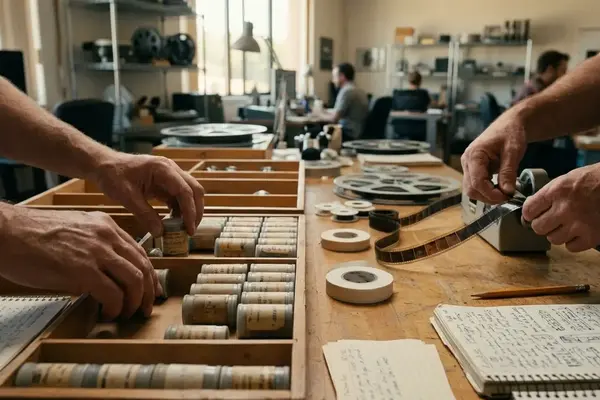
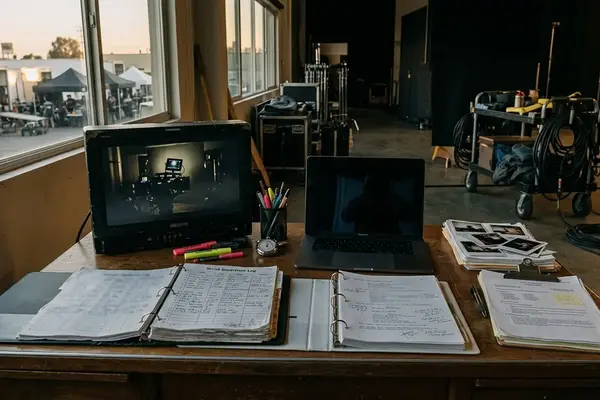
The lined script then becomes the running record. Script supervisors mark coverage, circle takes, continuity flags, and director notes directly on the page. Those marks tell me which takes carry the intent and where risks sit.
Camera Format Choices Become Editing Constraints
What format lands in the system every day? That question matters more than the camera’s spec sheet. DV moved easily through modest stations while early HD raised immediate questions about storage and monitoring.
The June 2003 conversations around compact HD cameras showed students wrestling with sensor behavior and perceived sharpness before those issues became routine. Spatial offset can increase detail on paper, yet the real test is how the image holds up once it reaches the timeline and the intended finish path.
Digitizing, Master Clips, and Bins: Where Set Order Becomes Post Order
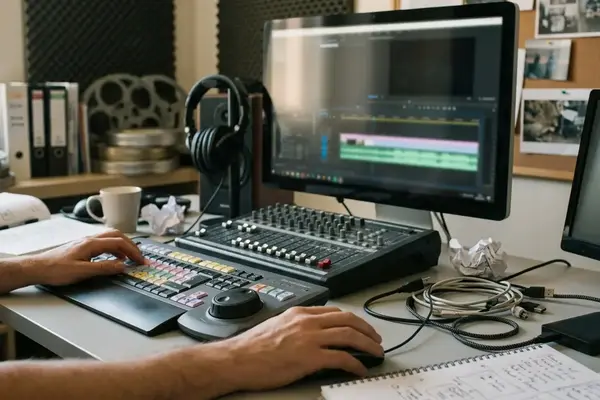
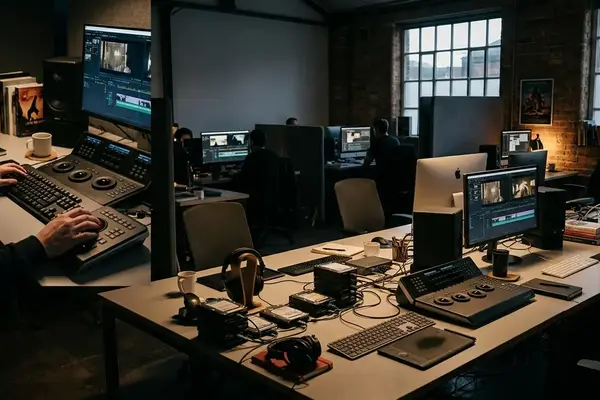
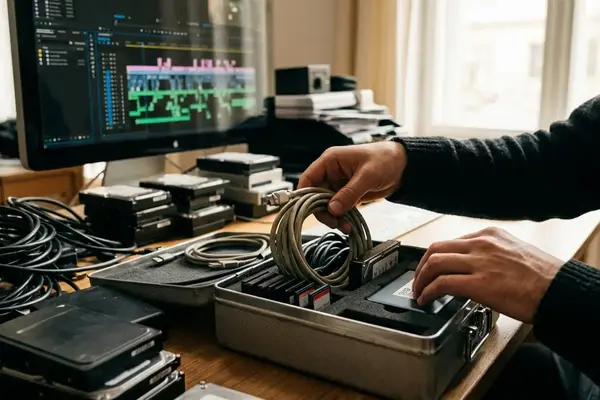
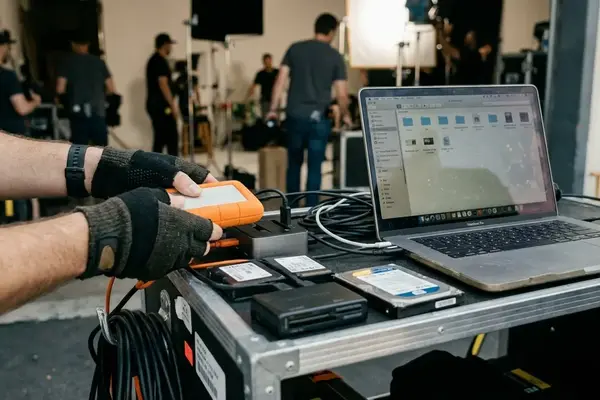
Digitizing turns tape into editable files. The media file holds the actual picture and sound, the master clip points to it inside the project, and the sequence records every trim and arrangement.
A breakout box handles the physical connection between source decks and the workstation. Bins should mirror how the production was shot, not the order tapes arrived in a bag. Scene and take labels that match the reports save hours later.
Production Sound Decisions That Decide the Sound Edit
The recordist protects dialog first. Room tone captured from the same position then gives the editor material to hide cuts and fill gaps without drawing attention.
ADR, or looping, lets actors re-record lines while watching picture. It works only when the original performance timing and breath are matched closely enough to blend.
Coverage, Continuity, and Pacing: What Editors Can and Cannot Fix
Coverage is judged by what it leaves open. Reactions, pauses, and entrances determine whether a scene can be paced for emotional beats or must stay locked to the original order.
Continuity notes on eyelines, props, and screen direction act as the safety net. When those notes are missing, even clean line readings can become impossible to cut together without visible jumps.
Workflow Example: From Writers Bootcamp to the First Full Cut
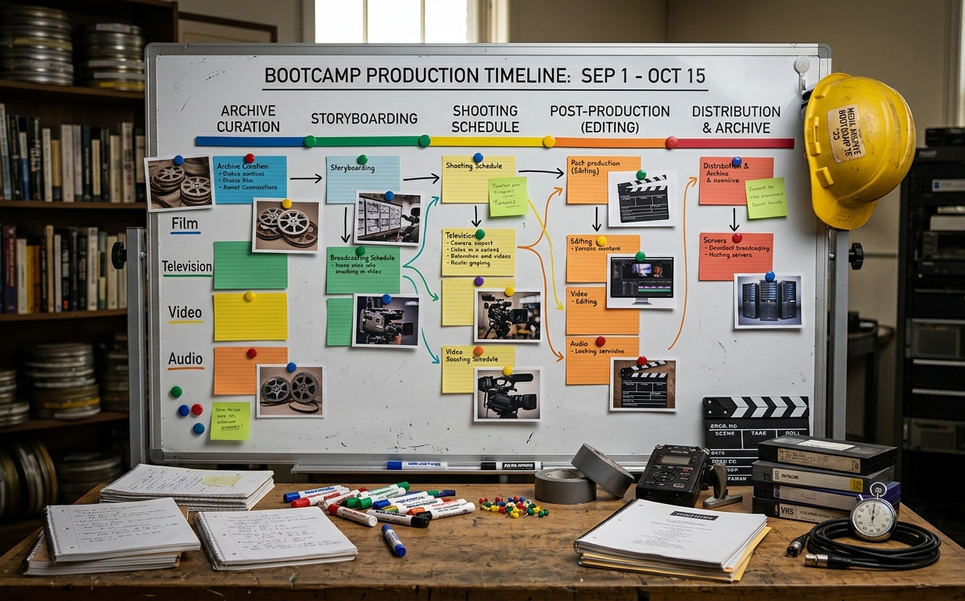
The Spring writing bootcamp ran January 27 to February 21. That window produced the locked script, breakdowns, and shot priorities the post team later relied on.
Main production followed from February 23 to April 16. Rehearsals, location work, principal photography, digitizing, bin setup, offline editing, and audio cleanup all fit inside that arc. MovieMagic handled scheduling and stripboards, keeping planning separate from the creative cut.
Scope and Limitations: What This Production Diary Can Teach Today
The sources combine a July 2005 diary, a May 2003 industry essay, and early-2000s training practices. The article extracts workflow habits rather than ranking old equipment.
These lessons stay tool-independent: clear lined scripts, labeled media, organized bins, reliable room tone, and explicit handoffs between set and post. They apply best where picture editing, sound editing, and finishing remain distinct stages.
Edit-Friendly Production Handoff Checklist
Field Note: Each stage should leave the next department something verifiable.
- Pre-production: locked script, scene breakdowns, naming conventions, location sound risks.
- Set: lined pages, continuity notes, sound reports, accurate slates, room tone, wild-line labels.
- Post: tape or card inventory, digitizing plan, bin structure, synced checks, sequence backups.
Bottom Line: Treat every production choice as an edit-room decision made in advance.


Your Thoughts
No comments.
Share Your Opinion